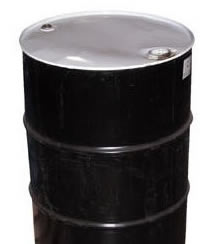
Burn barrels are used for burning various types of waste, including yard waste, paper, cardboard, and other materials that can be safely burned. The use of burn barrels can be traced back to early settlements in rural areas. These barrels were typically made of metal and used to dispose of household waste, crop residues, and other debris. Over time, the design of burn barrels has evolved, with some modern versions including ventilation holes and a perforated lid for improved airflow. However, the use of burn barrels has also become more regulated in many areas due to safety concerns, environmental issues, and legal restrictions. Read More…
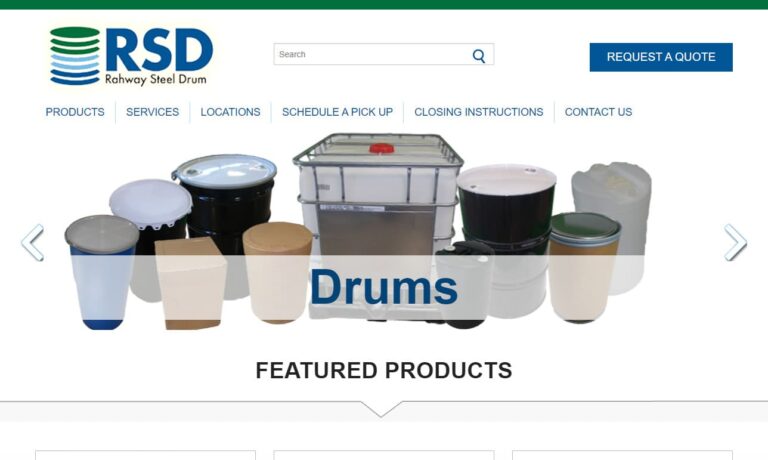
For over 60 years, Rahway Steel Drum Company has been a reliable supplier of 55 gallon drums and drum services. We supply containers from 1 quart to 330 gallons in quantities from 1 to over 100,000.
Container Distributors, Inc. is your one source for 55 gallon drums. We pride ourselves on our knowledgeable customer service staff, timely deliveries, and wide range of in-stock items.

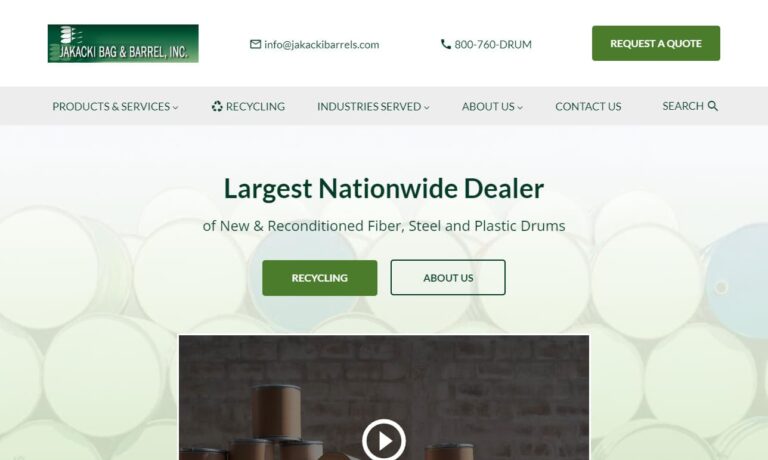
Jakacki Bag & Barrel is the largest nationwide dealer for 55 gallon drums. Since 1942, we have sold 55 gallon drums of all assortments.
At U.S. Plastic Corp., we provide high-quality 55-gallon drums designed to meet the rigorous demands of various industries. Our selection includes a variety of plastics, offering durability, chemical resistance, and compliance with industry standards for safe storage and transportation of liquids, solids, and hazardous materials. With a commitment to quality and customer satisfaction, we deliver...

At Best Containers, we have built our reputation around providing dependable storage and transport solutions, with our 55 gallon drums standing as one of the most trusted products we distribute. We recognize that businesses across a wide range of industries—from chemical and pharmaceutical to food processing and industrial manufacturing—rely on strong, secure, and compliant containers, and we ...

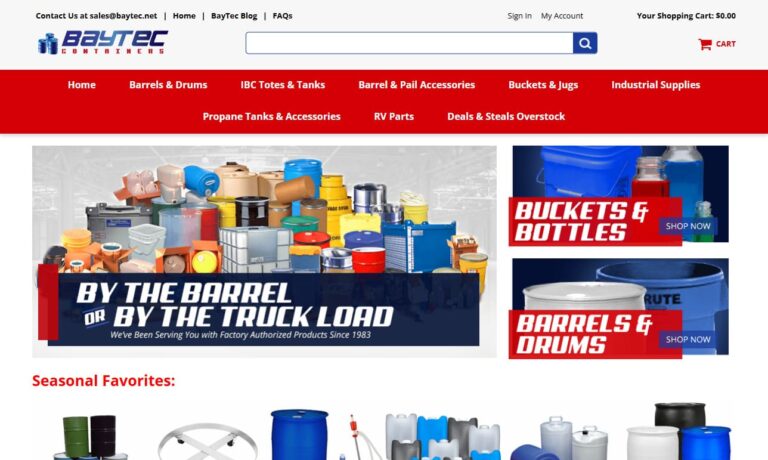
At BayTec Service, we specialize in providing a wide range of industrial container solutions, with a strong focus on 55-gallon drums that serve customers across countless sectors. We take pride in being a reliable source for steel, plastic, and fiber drums, all crafted to meet rigorous standards for quality, safety, and durability.





More Burn Barrel Manufacturers
How Burn Barrels Work
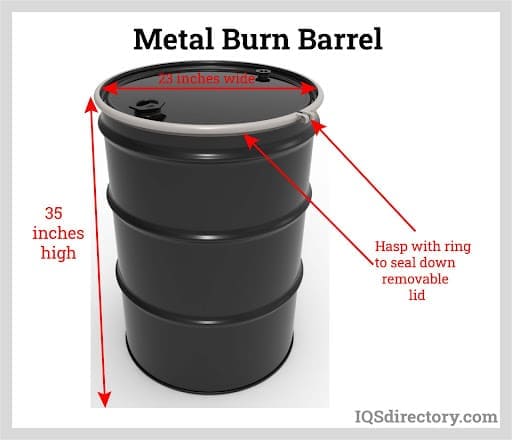
Burn barrels are cylindrical containers, typically made from repurposed steel drums or purpose-built metal cylinders, designed for the controlled incineration of various types of waste. When waste and debris are placed inside a burn barrel and ignited, they combust and turn to ash, dramatically reducing the overall volume of refuse. The efficiency of combustion in burn barrels depends on several factors, including the type of material being burned (organic waste, yard debris, paper, wood), the amount of oxygen available, the moisture content of the waste, and the temperature of the fire.
Proper operation of a burn barrel involves ensuring adequate airflow—often accomplished by drilling or cutting ventilation holes near the base and sides of the barrel—to facilitate a hotter, more complete burn. Higher temperatures and improved oxygen flow help minimize smoke and incomplete combustion, reducing the emission of potentially harmful pollutants. It is essential to follow burn barrel safety guidelines, such as:
- Never using accelerants like gasoline, which can cause dangerous flare-ups
- Keeping a safe distance from the barrel during operation
- Supervising the barrel at all times while burning
- Ensuring the barrel is situated on a non-flammable surface, away from buildings or vegetation
- Having fire suppression tools (water hose, sand, fire extinguisher) on hand
Curious about the science behind burn barrel combustion? Learn more about airflow, temperature control, and safety features in modern burn barrel designs.
Construction of Burn Barrels
The construction of a high-quality burn barrel is critical for safe, efficient, and environmentally responsible waste incineration. The process typically begins by selecting a durable, heat-resistant container—most often a 55-gallon steel drum. Essential steps include:
- Ventilation Holes: Cutting or drilling holes around the base and sides improves oxygen flow and promotes even burning.
- Perforated Lid: Adding a lid with small holes prevents embers from escaping while allowing smoke and gases to vent.
- Raised Base or Grate: Elevating the barrel on concrete blocks or a metal stand prevents ground scorching and improves stability.
- Safety Features: Incorporating handles for easy movement and feet for stability, and applying high-temperature coatings to extend lifespan.
During construction, always wear protective gloves, goggles, and long sleeves to prevent injuries from sharp edges and sparks. It's also crucial to check local fire codes and environmental regulations before building and using a burn barrel.

Types of Burn Barrel Materials
Choosing the right material for your burn barrel influences its performance, longevity, and suitability for specific waste management applications. Common burn barrel materials include:
- Metal Burn Barrels:
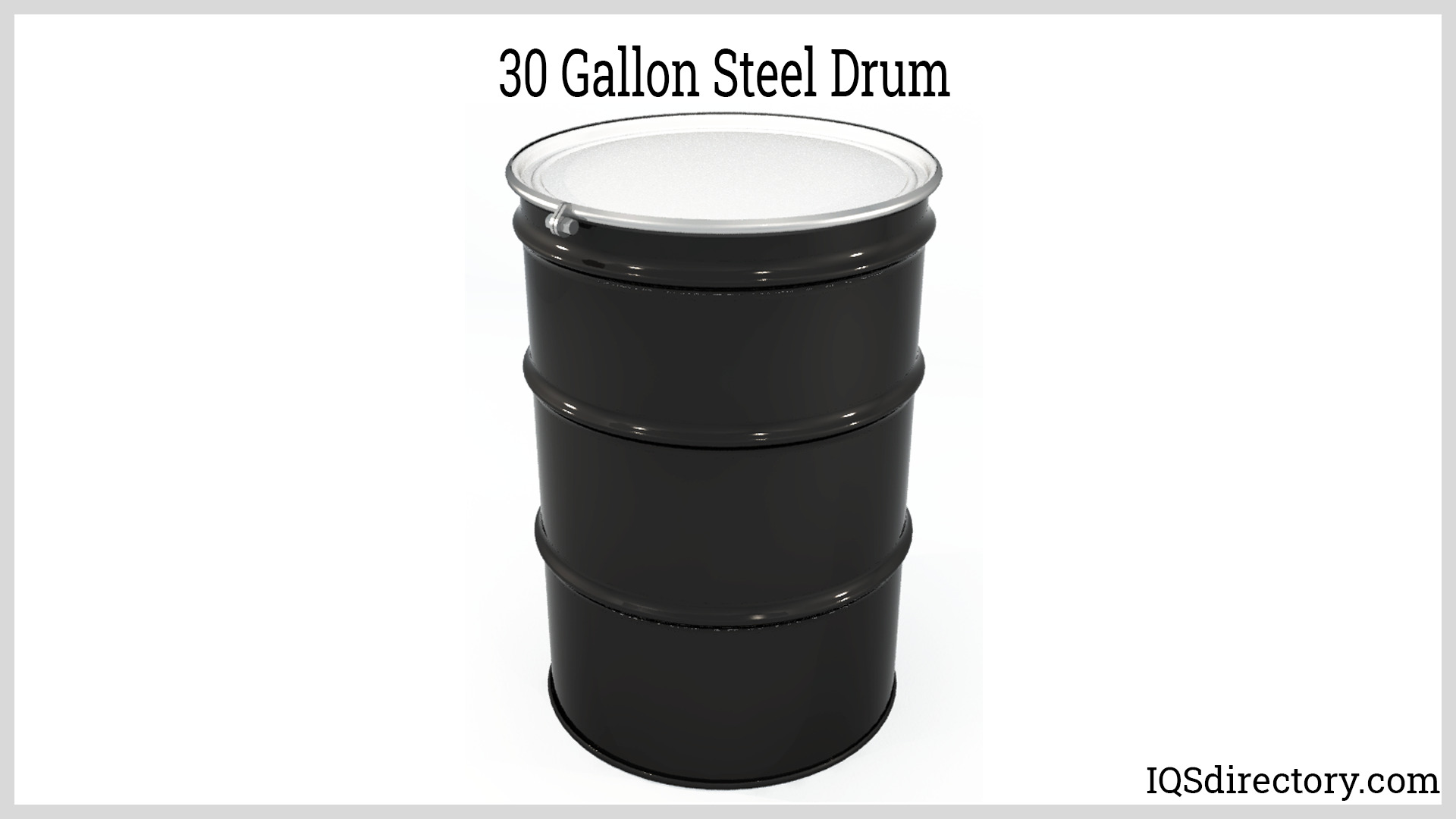
Metal burn barrels—especially those made from galvanized steel or aluminum—are the most widely used. These barrels are resistant to high temperatures, rust, and corrosion, making them ideal for repeated use and exposure to harsh weather. Metal burn barrels are also easy to clean, maintain, and can be retrofitted with fire-safe accessories. For high-wind or wet climates, stainless steel burn barrels offer superior durability. - Plastic Burn Barrels:
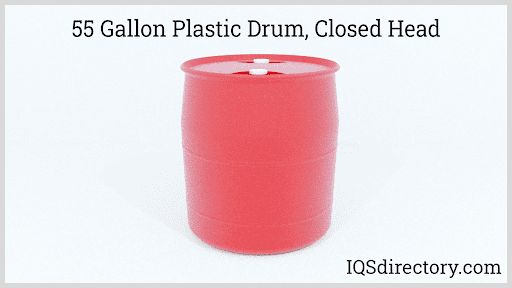
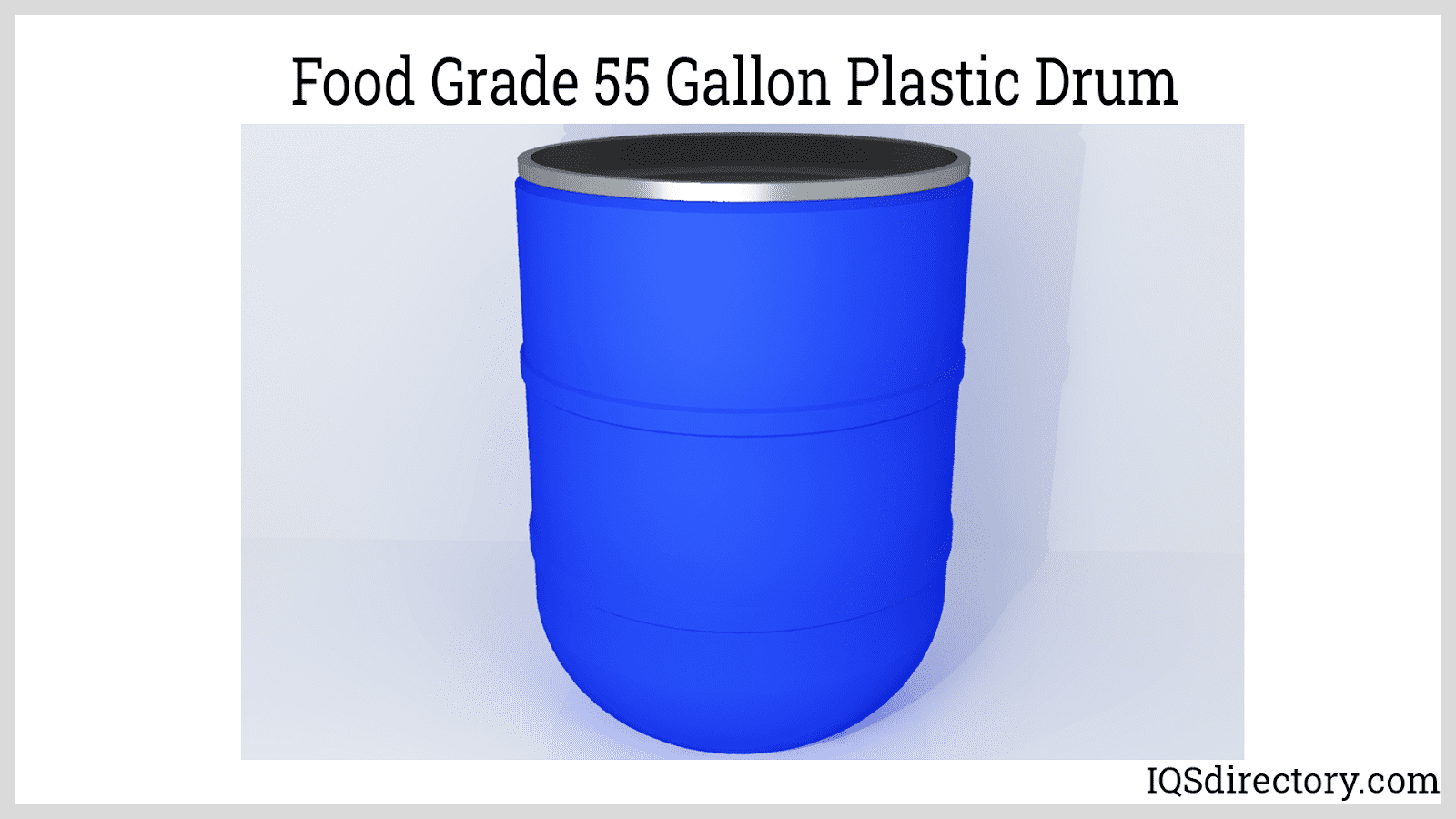
While less common for incineration due to their low melting points, some plastic drums are repurposed for non-combustion waste storage or as burn barrel covers. Lightweight and easy to transport, plastic burn barrels are sometimes used for temporary containment but are not suitable for burning most materials due to fire hazards. - Ceramic Burn Barrels:
Ceramic burn barrels are chosen for their decorative appeal and heat resistance. These are often used in landscaping or for outdoor fire features rather than high-volume waste burning. Their thermal mass helps retain heat, but they require careful handling to prevent cracking. - Concrete Burn Barrels:
Concrete burn barrels are exceptionally durable and stable, making them suitable for permanent installations in windy or high-traffic areas. Resistant to both weathering and fire damage, they are often used in community or industrial burn sites where longevity is essential.
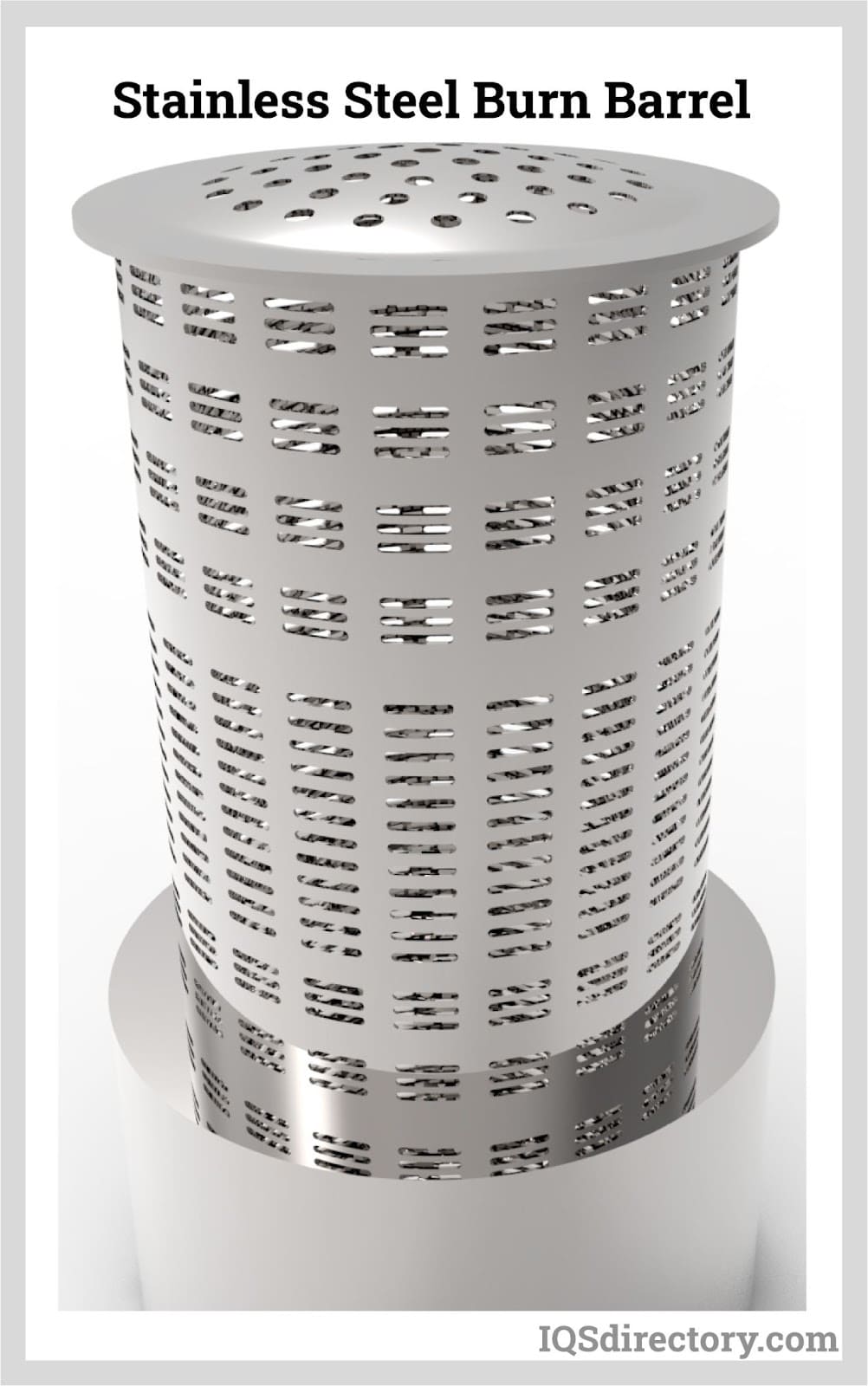
Comparing Burn Barrel Material Options
How do you choose the best burn barrel for your needs? Consider the following:
- Frequency of Use: Frequent users benefit from heavy-duty steel or stainless steel barrels due to their longevity.
- Type of Waste: For high-temperature applications or burning hazardous materials, metal and concrete are safest.
- Portability: If you need to move your burn barrel often, lighter plastic options (for non-burning uses) or smaller steel barrels are ideal.
- Weather Conditions: For humid or coastal areas, rust-resistant materials like aluminum or stainless steel are preferable.
- Cost and Availability: Standard steel drums are affordable and widely available, making them a top choice for most users.
- Appearance: Decorative ceramic barrels add visual appeal to gardens and patios, though they're less suited to heavy-duty burning.
Not sure which burn barrel material is right for you? Explore our supplier directory for expert advice and custom solutions.
Disadvantages of Burn Barrels
While burn barrels offer a simple solution for on-site waste reduction, they come with important drawbacks that potential users should carefully weigh. Key disadvantages include:
- Environmental Impact: Burning household and yard waste can release harmful pollutants, such as dioxins, furans, particulate matter, and volatile organic compounds (VOCs), which contribute to air and soil contamination. Incomplete combustion can result in toxic smoke, posing health risks to humans and animals.
- Safety Risks: Burn barrels are inherently hazardous. Tipping, wind-driven embers, or misuse of flammable accelerants can result in wildfires, property damage, or serious injury. Children and pets should be kept well away from active burn barrels.
- Legal Restrictions: Many municipalities, counties, and states have strict regulations or outright bans on open burning and burn barrel use, especially in urban or fire-prone regions. Fines and legal liability can result from non-compliance.
- Odor and Nuisance: Burning certain types of waste produces unpleasant odors and smoke that can bother neighbors, reduce air quality, and contribute to community complaints.
- Incomplete Waste Destruction: Not all materials are suitable for burning, and some hazardous items (plastics, treated wood, electronics) can produce especially toxic byproducts or leave behind dangerous residue.
Wondering if burn barrels are legal or appropriate in your area? Get guidance on local regulations and safer waste disposal alternatives from our vetted suppliers.
Benefits of Burn Barrels
Despite their potential downsides, burn barrels remain popular for a variety of valid reasons, particularly in rural and agricultural settings where municipal waste services may be limited. Key benefits include:
- Efficient Waste Reduction: Burn barrels quickly convert large volumes of organic material—such as brush, leaves, and paper—into a small amount of ash, reducing the need for transport and landfill space.
- Cost Savings: For property owners, farmers, and businesses, using a burn barrel can eliminate or reduce the costs associated with commercial waste hauling and landfill tipping fees.
- Versatility: Burn barrels can be used for a wide range of waste types, including yard debris, confidential documents, untreated wood, and more. Some users even employ them for controlled weed or pest management.
- On-Site Convenience: Having a dedicated burn barrel allows for immediate waste disposal without waiting for scheduled pickups or transporting materials offsite.
- Emergency Applications: In disaster recovery or emergency preparedness situations, burn barrels provide a means to manage waste when municipal services are disrupted.
Looking for ways to maximize the efficiency and safety of your burn barrel? Read on for real-world applications and best practices.
Applications of Burn Barrels
Burn barrels are useful in a diverse array of scenarios, from home landscaping to farm operations and industrial waste management. Explore how different sectors benefit from proper burn barrel use:
- Residential Use:
Homeowners often use burn barrels for the incineration of yard waste (leaves, grass clippings, twigs), household paper, and sensitive documents. Burn barrels are particularly valuable in rural or semi-rural areas where curbside pickup is unavailable or infrequent. They offer a safe, contained alternative to open pit burning, reducing the risk of fire spreading to nearby structures. - Agricultural Applications:
Farmers and ranchers use burn barrels to dispose of animal bedding, crop residue (corn stalks, straw), and invasive weeds. Some agricultural operations also use burn barrels to manage biosecurity risks by destroying diseased plant material or animal waste. Always check for regulations regarding the burning of agricultural waste, as rules vary by region. - Industrial Use:
Certain industries employ heavy-duty burn barrels or incinerators for the disposal of hazardous waste, solvents, construction debris, and non-recyclable packaging. Specialized industrial burn barrels may feature reinforced linings, spark arrestors, and high-temperature coatings to safely handle toxic or high-volume waste streams. Proper documentation and regulatory compliance are essential in these settings. - Disaster Recovery & Emergency Preparedness:
In post-disaster scenarios or remote worksites, burn barrels enable the rapid reduction of debris and sanitation of waste materials, helping restore safe, functional environments when municipal waste infrastructure is unavailable. - Community Events & Outdoor Recreation:
Parks, campsites, and community gardens sometimes use burn barrels for the safe disposal of event waste, brush clearing, or as controlled fire pits for warmth and cooking (where permitted).
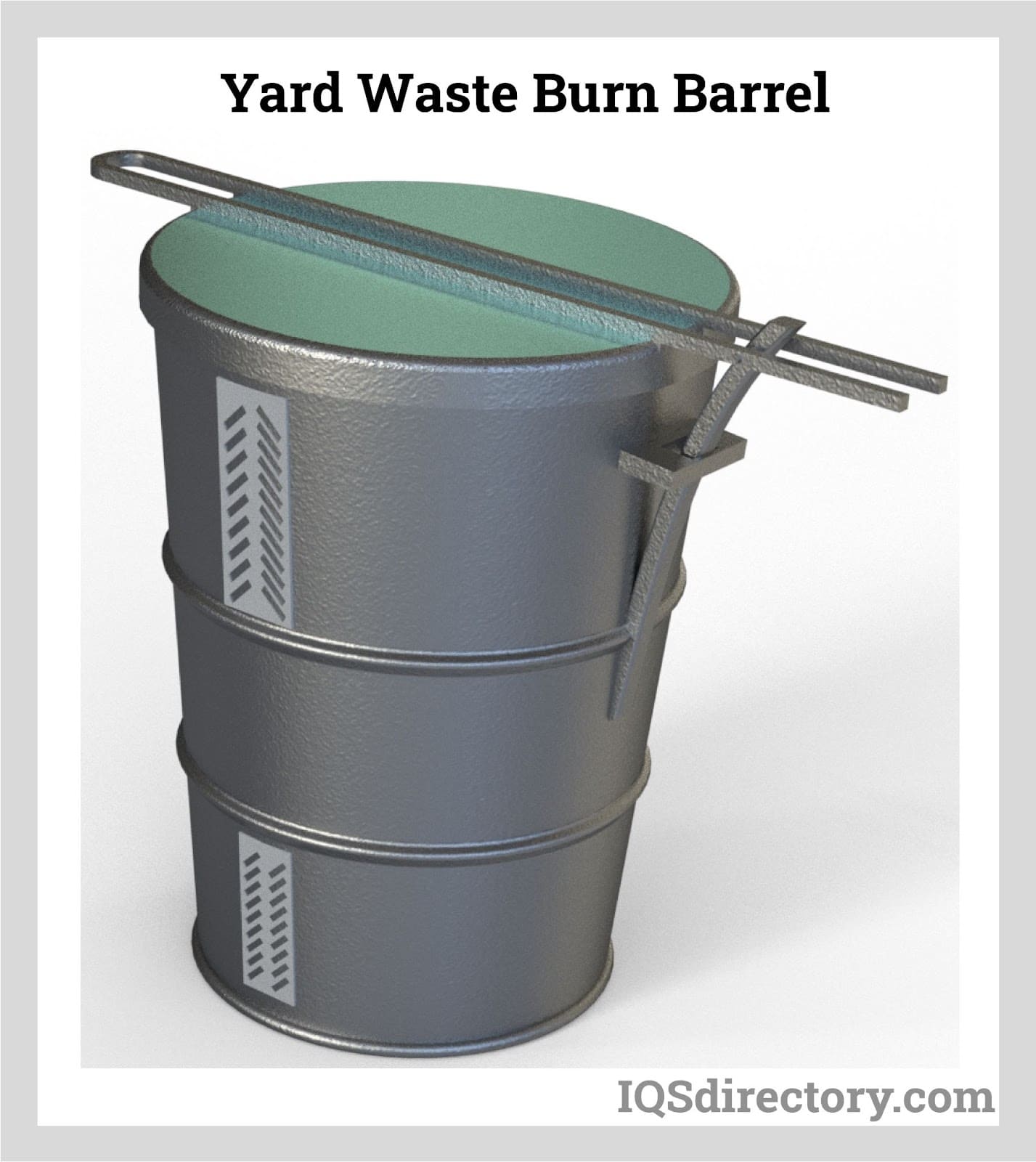
What Can and Cannot Be Burned in a Burn Barrel?
For optimal safety and environmental responsibility, only burn:
- Natural yard waste (leaves, grass, twigs)
- Untreated wood and brush
- Non-glossy paper and cardboard
- Non-toxic, organic debris
Never burn plastics, painted or treated wood, rubber, household chemicals, batteries, or electronics. These materials can emit dangerous toxins and are often illegal to incinerate in open-air settings.
Need guidance on approved burn materials? Contact a local supplier for waste-specific recommendations and compliance information.
Choosing the Right Burn Barrel Supplier
Selecting a reputable burn barrel manufacturer or distributor is crucial for safety, compliance, and product longevity. Here are important factors to consider when evaluating burn barrel suppliers:
- Material Quality and Construction: Look for suppliers offering high-grade steel or stainless steel burn barrels, with reinforced welds, rust-resistant coatings, and safety lids.
- Customization: Top suppliers provide options for size, ventilation patterns, spark arrestors, and accessories tailored to your waste management needs.
- Compliance Expertise: Reputable vendors are knowledgeable about local, state, and federal burn regulations, and can help ensure your setup meets all legal requirements.
- Customer Support: Reliable suppliers offer product warranties, maintenance tips, and responsive service to address your questions or issues.
- Delivery and Installation: For large or custom orders, inquire about delivery options and professional installation services to guarantee proper setup.
Our directory of burn barrel suppliers streamlines your search by providing detailed business profiles, experience highlights, and direct contact forms for RFQs (requests for quotes). You can easily:
- Browse burn barrel supplier profiles to compare expertise and capabilities
- Use our exclusive website previewer to quickly assess each company’s offerings
- Submit a single RFQ form to reach multiple burn barrel manufacturers at once
- Request custom quotes on bulk orders, specialty materials, or unique features
- Get guidance on regulatory compliance, maintenance, and safe operation
Ready to purchase a burn barrel, or want to compare the best options for your application? Browse our burn barrel supplier directory now or contact us for personalized assistance.
Frequently Asked Questions About Burn Barrels
- Are burn barrels legal in my area? Laws vary by municipality; always check with local fire and environmental agencies before use.
- Can burn barrels be used for hazardous waste? Only in industrial or agricultural settings with appropriate permits and safety controls. Never burn toxic or prohibited materials in a home setting.
- How do I maintain my burn barrel? Regularly empty ash, clean vents, inspect for rust or damage, and store under cover when not in use.
- What accessories improve burn barrel performance? Spark arrestor lids, high-temperature paint, reinforced stands, and airflow grates all enhance safety and efficiency.
- Where can I buy a quality burn barrel? Use our supplier directory for trusted sources of steel, stainless steel, and specialty burn barrels tailored to your needs.
Next Steps: Optimize Your Waste Management with the Right Burn Barrel
Whether you’re a homeowner seeking a safe way to handle yard debris, a farmer disposing of crop residue, or a business requiring compliant hazardous waste incineration, the right burn barrel can streamline your waste management process and reduce long-term costs. Explore the advantages and limitations of various burn barrel materials, and ensure you’re operating in accordance with all relevant safety and environmental regulations. For bulk orders, custom features, or regulatory guidance, connect with vetted suppliers using our comprehensive directory.
Still have questions about burn barrel safety, legal compliance, or optimal use? Request a quote or consultation from a leading burn barrel manufacturer today!