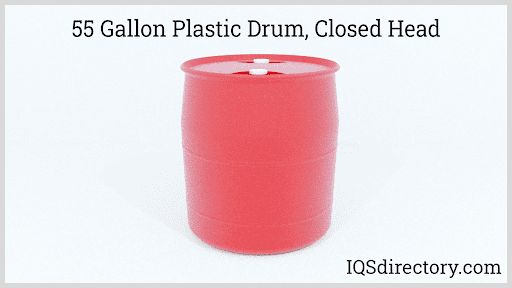
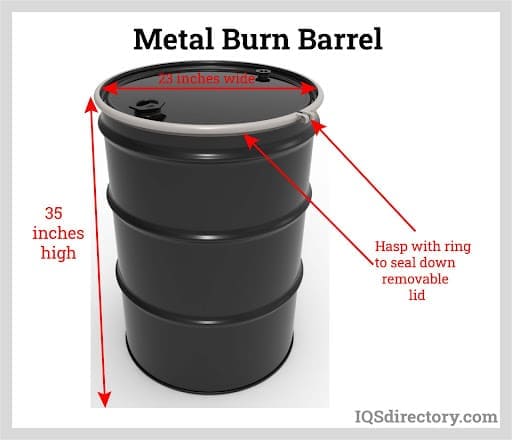
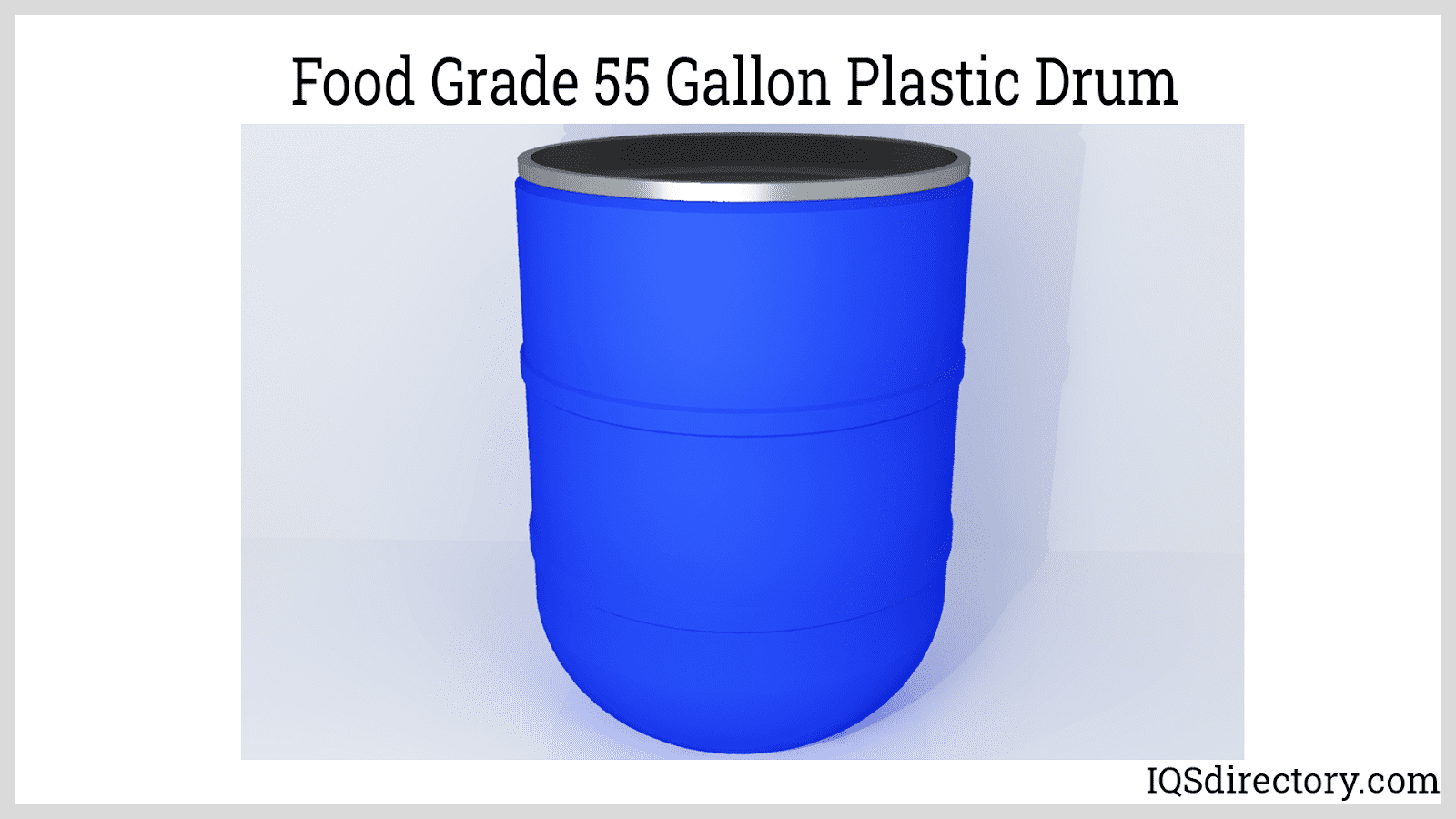
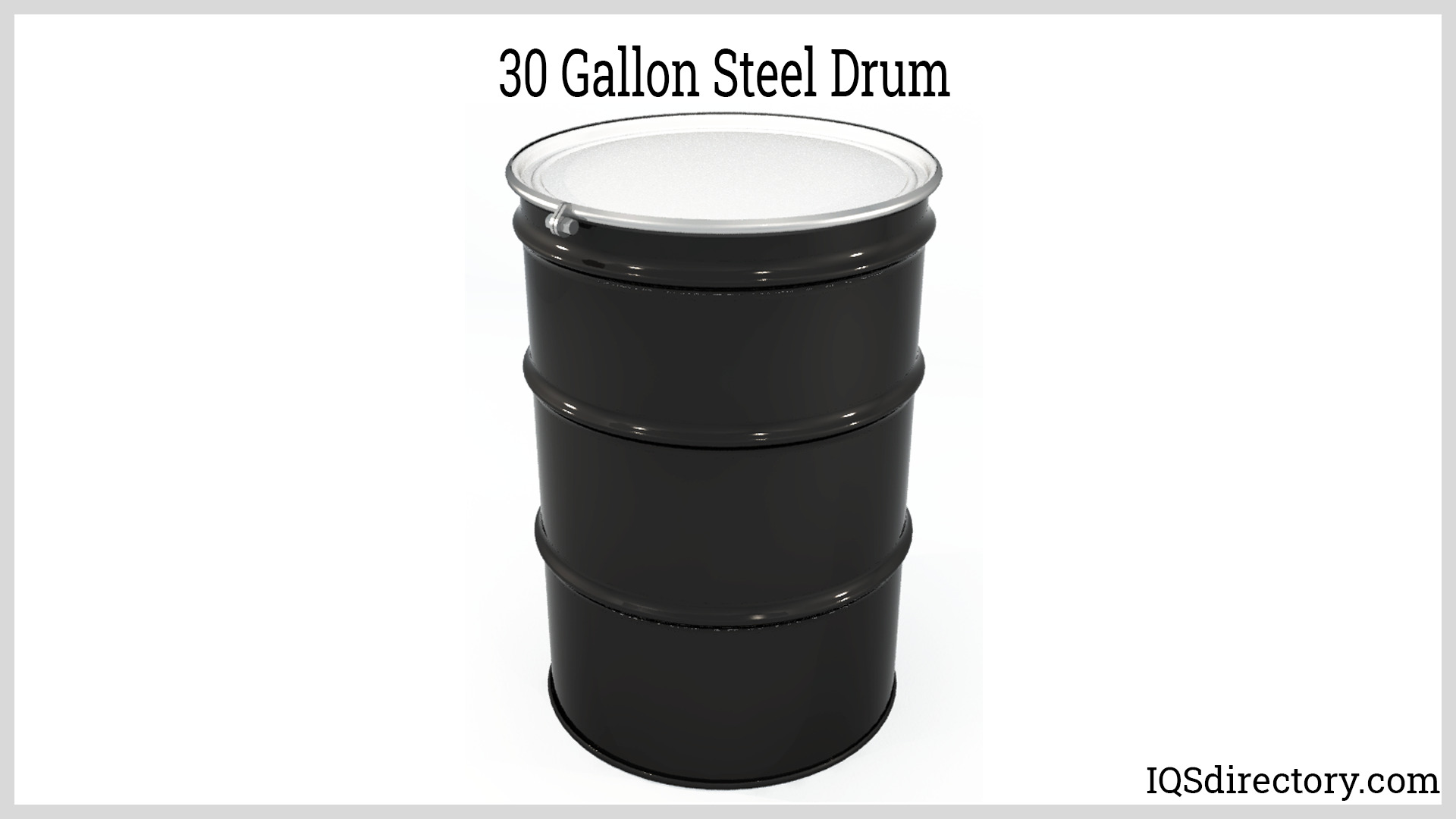
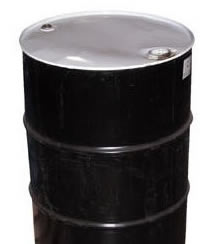
Water is essential for life, and access to clean water is vital in emergency situations. Water barrels are an excellent solution to store water for various purposes. A typical water barrel is a 55-gallon drum made of plastic, metal, or wood. In this article, we will discuss the different materials, design variations, benefits, and applications of water barrels, as well as any considerations regarding their use. Read More…
For over 60 years, Rahway Steel Drum Company has been a reliable supplier of 55 gallon drums and drum services. We supply containers from 1 quart to 330 gallons in quantities from 1 to over 100,000.
Container Distributors, Inc. is your one source for 55 gallon drums. We pride ourselves on our knowledgeable customer service staff, timely deliveries, and wide range of in-stock items.

Jakacki Bag & Barrel is the largest nationwide dealer for 55 gallon drums. Since 1942, we have sold 55 gallon drums of all assortments.
At U.S. Plastic Corp., we provide high-quality 55-gallon drums designed to meet the rigorous demands of various industries. Our selection includes a variety of plastics, offering durability, chemical resistance, and compliance with industry standards for safe storage and transportation of liquids, solids, and hazardous materials. With a commitment to quality and customer satisfaction, we deliver...

At Best Containers, we have built our reputation around providing dependable storage and transport solutions, with our 55 gallon drums standing as one of the most trusted products we distribute. We recognize that businesses across a wide range of industries—from chemical and pharmaceutical to food processing and industrial manufacturing—rely on strong, secure, and compliant containers, and we ...

At BayTec Service, we specialize in providing a wide range of industrial container solutions, with a strong focus on 55-gallon drums that serve customers across countless sectors. We take pride in being a reliable source for steel, plastic, and fiber drums, all crafted to meet rigorous standards for quality, safety, and durability.





More Water Barrel Manufacturers
Materials Used for Water Barrels
Water barrels, essential components for water storage and rainwater harvesting systems, are manufactured using three main materials: plastic, metal, and wood. Understanding the differences between these types is crucial when researching water storage solutions for residential, agricultural, or industrial applications.
Plastic Water Barrels
Plastic water barrels are by far the most prevalent choice for modern water storage needs. Their popularity stems from their affordability, lightweight construction, and ease of handling. Additionally, plastic barrels are non-corrosive and highly resistant to rust, making them ideal for both indoor and outdoor use, and especially suited for rainwater collection, emergency water storage, and potable water storage.
Most plastic barrels are made from high-density polyethylene (HDPE), a food-grade, UV-resistant material that ensures safety and durability. If you are searching for BPA-free water barrels or barrels approved for potable water, always verify the product specifications before purchase. Plastic water barrels are also available in a wide range of sizes, from compact 15-gallon models to large-capacity 55-gallon water drums, accommodating various storage requirements.
Metal Water Barrels
Metal water barrels, often constructed from stainless steel or galvanized steel, are renowned for their strength and long-term durability. These barrels are capable of withstanding heavy impacts, punctures, and harsh environmental conditions, making them an excellent choice for industrial water storage, chemical storage, and applications where physical stress is a concern. Metal barrels are also preferred in settings where security and contamination prevention are paramount, such as commercial facilities and emergency preparedness stations.
However, it is important to ensure that the metal barrel’s interior is lined or coated to prevent rusting, especially when storing potable water. Are you comparing metal vs. plastic water barrels for your application? Consider factors such as weight, corrosion resistance, and intended use before making a decision.
Wooden Water Barrels
Wooden water barrels, typically crafted from oak or other hardwoods, offer a traditional and rustic aesthetic. These barrels are widely used in decorative landscaping, rainwater harvesting, and even in beverage industries for fermenting wine or aging spirits. While they add charm to gardens and patios, wooden water barrels require regular maintenance to prevent leaks and mold growth. Wooden barrels are less suitable for long-term potable water storage due to concerns regarding sanitation and microbial growth.
Curious about rainwater harvesting barrels for sustainable gardening? Wooden barrels can be a visually appealing solution, but make sure to line them with a food-grade liner if you intend to use the collected water for drinking or food preparation.
Design Variations in Water Barrels
Water barrels are available in diverse designs, each tailored to specific water storage needs and end-user preferences. Understanding the design features helps buyers select the right model for rainwater collection, emergency water storage, or industrial fluid handling.
Open Top Water Barrels
Open top water barrels are characterized by a removable lid, which allows for easy filling, cleaning, and inspection. These barrels are commonly employed in gardening, irrigation, and livestock watering where frequent access is needed. Their design makes them ideal for capturing rainwater runoff from rooftops and gutters. If you are looking for easy-to-clean water barrels or need to access stored water regularly, open top designs are a practical choice.
Closed Top Water Barrels
Closed top water barrels have a sealed, non-removable lid with one or more bung holes for filling and dispensing. This design keeps contaminants, debris, and pests out, making these barrels highly suitable for potable water storage, emergency preparedness kits, and long-term disaster readiness. Closed top barrels are frequently used in urban homes and commercial facilities where water quality and sanitation are essential.
Bung-Type Water Barrels
Bung-type water barrels feature threaded opening and closing mechanisms, allowing users to achieve an airtight and watertight seal. These barrels are the preferred option for storing not only water but also chemicals, fuels, and hazardous materials. They are designed for both industrial and emergency applications where spill prevention and safety are critical. If you are seeking airtight water storage barrels for disaster preparedness or hazardous material containment, bung-type barrels offer reliable performance.
Specialty Water Barrels
Specialty water barrels may include integrated spigots, stackable designs, collapsible water containers, and barrels with built-in filtration systems. These options cater to niche applications such as portable water storage for camping, off-grid living, or disaster relief scenarios. When evaluating specialty features, prioritize ease of use, transportability, and compatibility with your existing rainwater harvesting or emergency water supply system.
Considerations Regarding Water Barrels
Selecting the right water barrel requires careful consideration of several factors that directly impact safety, usability, and long-term value. To help you make an informed decision, consider the following aspects:
- Cleaning and Maintenance: All water barrels require periodic cleaning to prevent algae growth, bacterial contamination, and foul odors. Narrow openings can make cleaning challenging—opt for barrels with wide openings or removable lids for easier maintenance. Explore our guide on how to clean water barrels for best practices.
- Weight and Mobility: When filled, water barrels become extremely heavy (a 55-gallon barrel can weigh over 450 pounds). Consider barrel placement, portability needs, and whether you require wheels or dollies for movement.
- Material Quality: Inferior materials can leach chemicals or deteriorate over time, risking water contamination. Always choose food-grade, UV-resistant, and BPA-free plastic for potable water storage. For metal barrels, ensure an interior food-safe liner.
- Capacity: Assess your daily water usage, emergency supply needs, or irrigation requirements to select the right barrel size. Common sizes include 15, 30, and 55-gallon barrels, with custom sizes available for industrial users.
- Regulatory Compliance: For businesses, ensure your water storage system complies with local and federal regulations regarding potable water storage, chemical containment, and environmental protection.
- Cost and Lifespan: Calculate the long-term value by weighing initial investment against durability and maintenance requirements. While plastic barrels are affordable, metal barrels may offer greater longevity in demanding environments.
Not sure which water barrel is best for your application? Compare your options or consult with a water barrel supplier for expert advice tailored to your needs.
Benefits of Water Barrels
Water barrels provide a range of advantages that make them indispensable for residential, commercial, agricultural, and emergency preparedness applications. Here’s a closer look at the top benefits of integrating water barrels into your water management and conservation strategy:
- Emergency Preparedness: In the event of natural disasters, power outages, or municipal water disruptions, water barrels ensure a reliable supply of clean water for drinking, cooking, hygiene, and sanitation. Many government agencies recommend storing at least one gallon of water per person per day for two weeks—water barrels make this feasible and affordable.
- Water Conservation: By capturing and storing rainwater, water barrels help reduce reliance on municipal water supplies, lower utility bills, and promote sustainable landscaping. Water collected can be used for irrigation, washing vehicles, and flushing toilets.
- Cost Savings: Bulk water storage in barrels eliminates the need for purchasing single-use water bottles, decreasing plastic waste and long-term expenses. Rainwater harvesting barrels can also significantly reduce water bills for homeowners.
- Environmental Impact: Using water barrels for rainwater collection helps reduce stormwater runoff, mitigating erosion and the spread of pollutants into local waterways.
- Versatility: Water barrels can be repurposed for a variety of uses, including chemical storage, livestock watering, industrial fluid containment, and even as planters or compost bins.
- Peace of Mind: Storing water on-site provides security and independence, especially in remote locations or off-grid living scenarios.
Looking to buy water barrels for emergency preparedness or wondering how to set up a home rainwater harvesting system? Explore common applications and start preparing today.
Applications of Water Barrels
Water barrels are versatile and serve a critical role in a wide range of scenarios. Below are the most common applications for water barrels, each with unique user requirements and benefits:
Gardening and Irrigation
Collecting rainwater in barrels is a sustainable way to irrigate gardens, lawns, and landscaping. Using non-chlorinated rainwater can improve plant health, conserve water, and lower utility costs. Many gardeners install rainwater diverters and spigots for easy access and efficient watering.
Livestock Watering
Farms and ranches utilize water barrels to provide clean, on-demand water to livestock such as cattle, horses, and poultry. Barrels can be gravity-fed into troughs or connected to automatic watering systems, ensuring animals have a continuous supply even in remote pastures.
Rainwater Harvesting
Rainwater harvesting systems commonly use multiple interconnected barrels to maximize storage capacity. This water can be used for non-potable purposes such as landscape irrigation, washing vehicles, or cleaning equipment, reducing strain on municipal supplies.
Emergency Water Storage
Preppers, survivalists, and safety-conscious homeowners rely on water barrels to maintain an emergency supply. Whether preparing for hurricanes, earthquakes, or prolonged power outages, water barrels are a cornerstone of disaster readiness.
Camping and Outdoor Recreation
Collapsible and portable water storage barrels are essential for campers, hikers, and outdoor enthusiasts. These barrels are lightweight, easy to transport, and provide a safe source of water far from civilization. Are you planning a backcountry adventure? Discover the best portable water barrels for camping in our buyer’s guide.
Construction Sites
Construction crews use water barrels for dust suppression, concrete mixing, cleaning, and providing potable water for workers in areas without direct access to water mains. Durable, impact-resistant barrels are preferred for rugged job sites.
Firefighting
In rural and remote communities, water barrels can serve as auxiliary firefighting reservoirs. Having a dedicated supply of water can be critical for suppressing brush fires or supporting local fire departments during emergencies.
Industrial Applications
Industries use water barrels to store not only water but also chemicals, lubricants, and hazardous fluids. Barrels are often chosen for their compatibility with specific substances and adherence to regulatory standards. If you need to store industrial chemicals, ensure your barrel is certified for the intended use.
Food and Beverage Production
Breweries, wineries, and food processors use food-grade water barrels for ingredient storage, blending, and fermentation. Clean, contamination-free storage is essential to maintain product quality and comply with safety standards.
Off-Grid Living
Self-sufficient households and remote cabins often depend on water barrels for daily water needs, especially where municipal water infrastructure is unavailable. Off-grid water storage systems may incorporate filtration, solar pumps, and gravity-fed delivery for maximum reliability.
Additional Applications
- Aquaponics and Hydroponics: Water barrels are ideal reservoirs in closed-loop agriculture systems.
- Event and Festival Use: Temporary events rely on portable water barrels for handwashing stations and sanitation.
- Disaster Relief and Humanitarian Aid: NGOs deploy water barrels to provide safe water in crisis zones worldwide.
Choosing the Correct Water Barrel Supplier
Selecting a trusted water barrel supplier is a critical step in ensuring you receive high-quality, reliable water storage solutions that meet your unique requirements. Here’s how to streamline your supplier selection process:
- Research and Compare: Use our comprehensive directory of water barrel suppliers to compare offerings, product lines, and customer reviews. Each supplier profile highlights their specialties, certifications, and manufacturing capabilities.
- Request Quotes: Take advantage of our centralized contact forms to request pricing, product details, and lead times from multiple suppliers. This approach saves time and helps you find competitive rates.
- Review Product Specifications: Ensure the barrels you are considering are certified for the intended use—whether potable water, rainwater collection, or chemical storage. Ask about material quality, warranty, and after-sales support.
- Utilize Website Previewer: Our patented website previewer lets you preview supplier sites, making it easy to assess their expertise and available inventory.
- Use the RFQ Form: Contact multiple water barrel companies simultaneously using our simple Request for Quote (RFQ) form. This increases your chances of finding the best solution for your needs.
Still have questions? Ask yourself:
- What is my primary use case—emergency water storage, rainwater harvesting, or industrial fluid containment?
- Do I need food-grade, BPA-free, or specialty-certified barrels?
- What barrel size and design best fits my space and application?
- Are there local regulations affecting my water storage setup?
For further assistance, contact a water barrel supplier or consult our FAQ section for answers to common water storage questions.
How to Clean and Maintain Water Barrels
Proper cleaning and maintenance extend the lifespan of your water barrels and ensure your stored water remains safe and fresh. Here’s a step-by-step cleaning guide:
- Empty the barrel completely and rinse with clean water.
- Use a mild, unscented bleach or vinegar solution to scrub the interior surfaces. For hard-to-reach spots, use a long-handled brush.
- Allow the cleaning solution to sit for 15-30 minutes, then rinse thoroughly several times to remove all residue.
- Let the barrel dry completely before refilling to prevent mold and bacterial growth.
- Clean your water barrels at least once every six months, or more frequently if used for potable water or exposed to debris.
Need more tips on maintaining water storage barrels? Check out our full maintenance checklist or sign up for our newsletter for regular water management advice.
Frequently Asked Questions about Water Barrels
- What size water barrel should I buy? – Assess your daily water needs, emergency supply targets, and available space. For most households, a 55-gallon barrel is a good starting point.
- Can I drink water from any plastic barrel? – Only use barrels marked as food-grade or BPA-free for drinking water storage. Never repurpose barrels that previously contained chemicals or unknown substances.
- How do I prevent algae growth in my water barrel? – Store barrels out of direct sunlight, use tightly sealed lids, and add food-safe water preservatives if storing for extended periods.
- Are rainwater barrels legal in my area? – Check local and state regulations regarding rainwater collection, as some regions have restrictions or require permits.
- How long can I store water in a barrel? – With proper cleaning and storage, water can be safely stored for six months to a year. Rotate stored water regularly for best results.
- Where can I buy water barrels near me? – Use our supplier directory to find local and national water barrel distributors.
Ready to take the next step? Compare water barrel suppliers now and secure reliable, cost-effective water storage for your home, business, or farm.